
Understanding the Manufacturing Process of High-Quality Glass Bongs
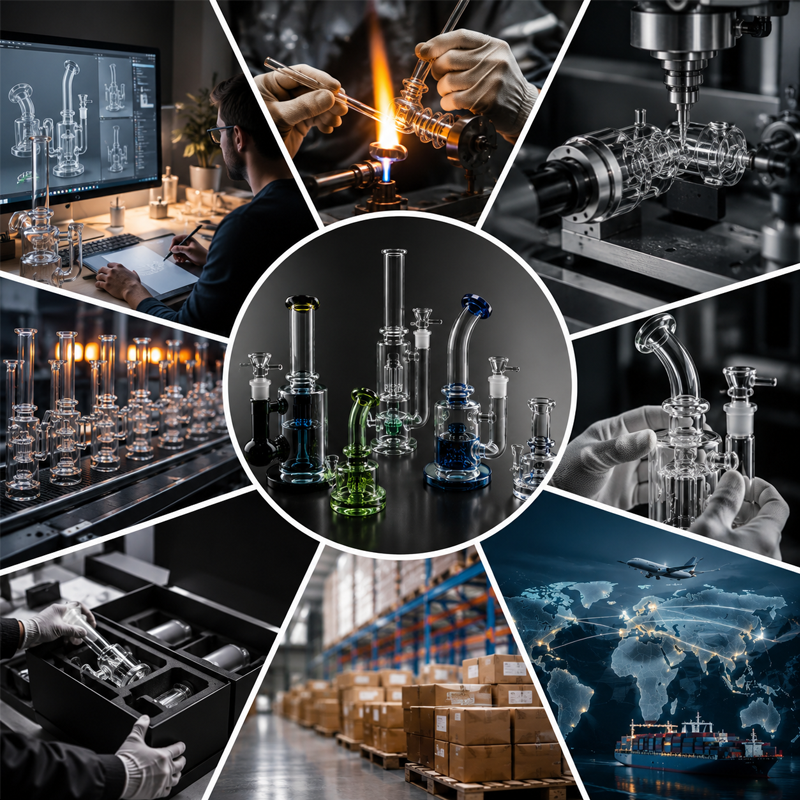
Glass bongs are among the most recognized products in the smoking accessories market. While many products may appear similar at first glance, significant differences in manufacturing quality, material selection, and craftsmanship directly influence performance, durability, and customer satisfaction.
Understanding the production process helps wholesalers and distributors make better purchasing decisions when selecting suppliers.
Why Material Selection Matters
The foundation of a high-quality glass bong begins with the choice of raw materials. Premium borosilicate glass is widely regarded as the preferred material due to its excellent resistance to thermal stress and mechanical impact.
Compared with ordinary glass, borosilicate glass offers greater durability, improved clarity, and a longer product lifespan. These advantages reduce breakage during transportation and provide a better user experience.
Precision Glass Blowing Techniques
Professional glass blowing requires skilled technicians and precise temperature control throughout the manufacturing process.
During production, glass tubes are heated to high temperatures until they become malleable. Craftsmen then shape the glass into the desired form while maintaining consistent wall thickness and structural integrity.
Any inconsistency during this stage may affect product balance, airflow performance, or durability.
The Importance of Percolation Systems
Modern glass bongs often incorporate advanced filtration structures known as percolators.
Percolators increase the interaction between smoke and water, helping to create smoother airflow and improved filtration. Common designs include tree percs, honeycomb percs, showerhead percs, and matrix percs.
The precision required to manufacture these internal components makes quality control especially important. Poorly constructed percolators can negatively affect airflow and overall product performance.
Quality Control Throughout Production
Reliable manufacturers implement multiple inspection procedures during production.
Quality control typically includes:
• Material verification
• Dimensional inspection
• Weld joint examination
• Airflow testing
• Water tightness testing
• Packaging inspection
These steps help ensure consistent product quality across large production batches.
Packaging and Transportation Protection
International shipping presents unique challenges for fragile glass products.
Professional suppliers invest in protective packaging solutions, including customized foam inserts, reinforced cartons, and shock-resistant materials. Effective packaging significantly reduces breakage rates during transportation and helps maintain customer satisfaction.
Custom Manufacturing Opportunities
Many distributors and private-label brands seek customized glass products tailored to their target markets.
Customization options may include:
• Logo printing
• Sandblasting
• Decal application
• Custom colors
• Exclusive shapes
• Branded packaging
Working with an experienced manufacturer allows businesses to create unique products while maintaining production efficiency.
Smogreen’s Manufacturing Standards
At Smogreen Technology Co., Ltd., we understand that product quality directly affects our customers’ business success. Our team works closely with manufacturing partners to ensure strict quality standards throughout the production process.
With over a decade of international trade experience, we help customers source reliable glass bongs, hand pipes, herb grinders, and customized smoking accessories that meet market expectations.
Conclusion
High-quality glass bongs require more than attractive designs. Material selection, craftsmanship, engineering precision, and quality control all contribute to product performance and durability.
For wholesalers and distributors seeking dependable suppliers, understanding these manufacturing principles provides valuable insight when evaluating potential business partners and product offerings.